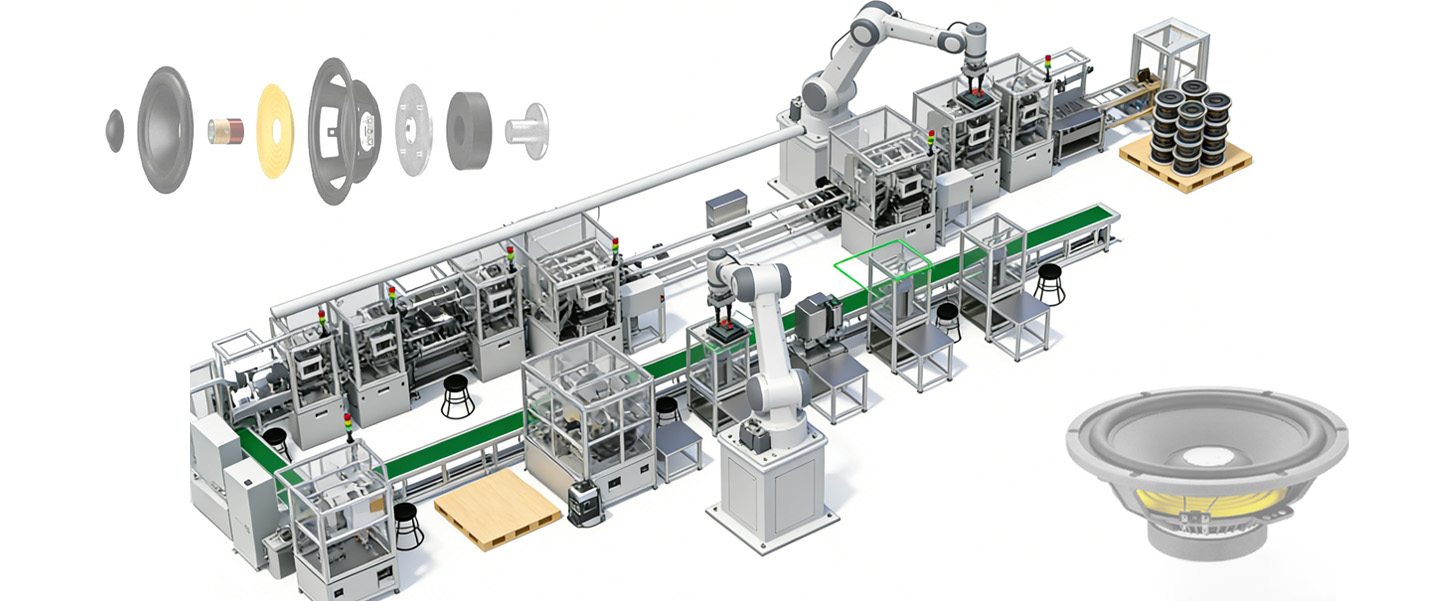
JiuJu Automation focuses on the intelligent upgrading of the whole process of speakers, integrating the four core technologies of visual inspection, precision assembly, AI quality inspection and data traceability to provide customized solutions for TWS headphones, car audio, multimedia smart audio speakers, etc., and achieve production capacity increase of 300%+, yield rate of 99.8%, and reduce the comprehensive cost of 60%, completely solving the pain points of the industry, such as manual dependence, stable quality control and delivery cycle. dependence, unstable quality control, long delivery cycle and other industry pain points. Based on the product characteristics and production scenarios of speakers, it creates a full-process automation system from the entry of raw materials to the release of finished products from the warehouse, covering the three major categories of micro, small and medium-sized, and adapting to the needs of multi-specification and multi-batch production.
Q: What are the main industries and fields in which speaker automation equipment is used? What are the application characteristics of each industry?
Answer:Speaker automation equipmentAs the key equipment for manufacturing electroacoustic products, it is widely used in many industries and fields. The following are the main application scenarios:
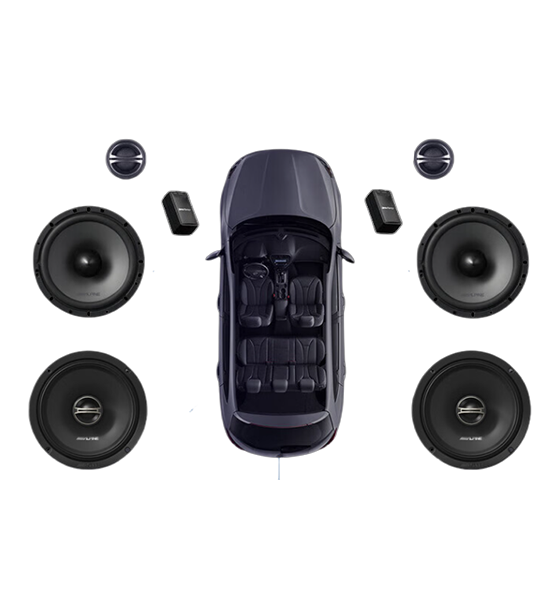
The consumer electronics industry is the largest application area for speaker automation equipment. This includes the manufacture of speakers for smartphones, tablet PCs, laptops, TWS headphones, smart speakers and other products. These products require high precision and consistency of the speaker, and need high precision automation equipment. The automotive industry applies speaker automation equipment to manufacture speakers for car audio systems, navigation systems, alarm systems and more. The automotive industry has strict requirements for product reliability and stability, and requires highly stable automation equipment. The home appliance industry applies speaker automation equipment to manufacture speakers for TV sets, stereos, washing machines, refrigerators and other home appliances. The home appliance industry has a large production scale and requires highly efficient automated production lines.
The aerospace industry applies speaker automation equipment to manufacture speakers for avionics, navigation systems, communications equipment and more. These fields require the highest level of precision and reliability and require state-of-the-art automation equipment. The medical device industry applies speaker automation equipment to manufacture speakers for medical instruments, diagnostic equipment, therapeutic equipment, and more. The medical industry has strict requirements for product safety and reliability, and needs automation equipment that meets medical standards. Different industries have their own requirements for speaker automation equipment: the consumer electronics industry focuses on precision and efficiency, the automotive industry focuses on reliability and stability, and the aerospace industry focuses on high precision and high reliability. With the development of science and technology, the application field of speaker automation equipment is still expanding, especially in the smart wearable, smart home, artificial intelligence and other emerging fields of application is promising.
Core view:
Core view: Speaker automation equipment is widely used in many industries such as consumer electronics, automotive, home appliances, aerospace, and medical devices. Different industries have different requirements for equipment, and the selection should be customized according to specific application scenarios.
JiuJi Automation Advantage:
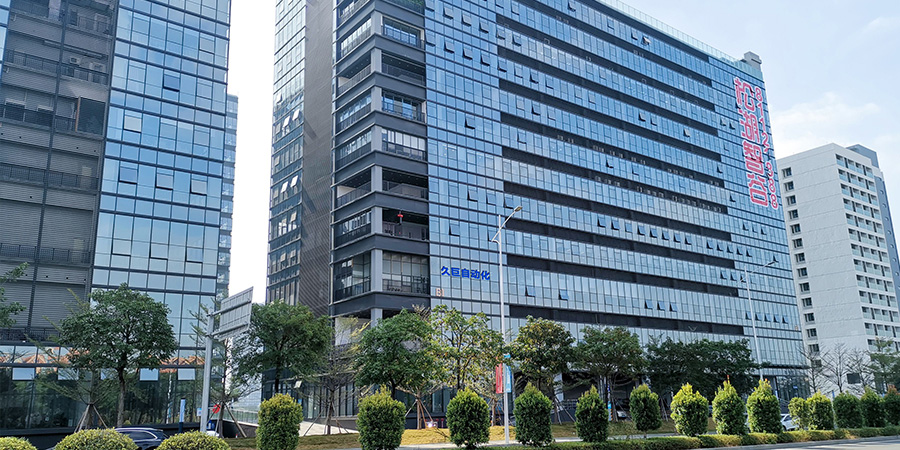
Jiuju AutomationJiuju Automation is an SRDI “Little Giant” Enterprise and has specialised in speaker automated assembly for 16 years, serving more than 2,500 customers. The company holds 256 technical patents and operates a 10,000 m² production base, offering one-stop solutions from standalone equipment to complete automated lines. Jiuju speaker automated assembly lines use high-precision vision positioning (±0.01 mm), AI-based inspection and fast changeover (<25 minutes), raising production efficiency by 300%+ and achieving a product yield of 99.8% with a 60% reduction in overall cost.
Frequently Asked Questions FAQ
Click a question to expand the answer
01Which industries use speaker automation equipment?
Mainly downstream industries that use electroacoustic components: consumer electronics (TWS, headphones, laptops, phones), home audio-visual (TV, soundbars, smart speakers), automotive electronics (in-car audio, speaker units), professional audio (stage, performance, conferencing) and some electroacoustic component makers.The differences between industries come mainly from product size and batch structure.
02What do consumer-electronics customers value most?
Cycle time and changeover.Consumer electronics has many models and short life cycles, so a line must switch specifications quickly; incoming consistency matters too, because micro parts are small and tolerances are a large share of their size. When selecting, look first at quick-change tooling and vision positioning.
03What do automotive-electronics customers value most?
Consistency and traceability.Automotive parts demand batch stability, and customer audits press for process records and defect-mode analysis, so a data layer (IO communication, MES connection, dashboards) is a requirement, not a bonus.
04What do home audio-visual customers value most?
Capacity and cost.TV speakers and soundbar units come in large batches with fairly stable specifications, which suits continuous full-line production; these customers are more sensitive to cost per unit than to flexibility, and a dedicated square magnetic-circuit model fits better.
05What do professional-audio customers value most?
Size coverage and riveting strength.Stage speaker units span a wide size range, from small diameters to 18 inches and above; riveting force and table size must be checked against the largest size. Units above 18 inches need separate assessment and are not covered by standard models.
06How do the needs of component makers and finished-product makers differ?
Component makers sell parts, so they focus on cost per unit and output; finished-product makers need consistency of the final product, so they focus on inspection and traceability.The same equipment is configured differently for each — finished-product makers usually add acoustic and leak-testing stations.
07Do acceptance criteria differ by industry?
Yes.The four general acceptance metrics (cycle-time attainment, yield, OEE, changeover time) are the same, but how they are defined and judged follows industry practice: automotive parts are usually counted by batch with defect modes separated, while consumer electronics focus on first-part pass rate after changeover.
08Can one line serve several industries?
Technically yes; economically it usually does not pay.Serving several industries means large differences in product size, magnetic-circuit structure and incoming form, so many tooling sets are needed and changeovers are frequent. A more practical approach is to group by industry — shared within a group, separate between groups.
09For a newcomer to the industry, what should be installed first?
A stand-alone machine rather than a full line.Start with the most painful process (usually magnetic-circuit assembly or riveting), validate incoming material and process, then expand. The equipment is modular, so a stand-alone machine bought first can later become one station of a full line — nothing is wasted.
10How do customers in the industry usually start working with a supplier?
Most start with a trial run on their own samples.They provide drawings, magnetic-circuit structure, dimensions and target cycle time for a process assessment; if feasible, a trial run follows and produces a test record; quotation and configuration come after that. This order works better than discussing price first, because a price means nothing while the configuration is undefined.
11Can capacity figures from different industries be compared directly?
No.The same PCS/H can mean individual micro parts in one case and finished units on a full line in another, with several processes in between. Comparing capacity across industries is meaningless; compare only within the same product and the same process scope. When reading supplier data, ask which basis it uses.
12How do industry trends affect equipment selection?
Two directions: product miniaturisation raises the share of micro parts, demanding higher locating precision and tighter incoming control; line digitalisation turns the data layer from optional into mandatory.If the configuration is fixed only for today's product, it may need rebuilding in two or three years; reserving interfaces is worth more than the small saving.
 Speaker automation jiujuauto






 简体中文
 English
 Tiếng Việt
 日本語
 한국어
 ไทย
 हिन्दी
 বাংলা
 Français
 Español de Perú
 Русский